


How G-funk changed the West: Death Row, lowriders and a new pop culture
Posted by INDEPENDENT LABEL
December 1992 in Los Angeles still smelled of smoke and hot tarmac when a new sound rolled out of car windows: gliding synth lines, a swing in the drums and bass that turned boulevards into metronomes. Dr. Dre’s The Chronic arrived with a fully formed language, and the label behind it, Death Row Records, became the headquarters for a West Coast style that moved from neighbourhood staples to nationwide chart runs.
Blueprints in synth and swing
G‑funk did not appear from nowhere. Its palette traced back to Parliament/Funkadelic and Ohio Players, then was remade for early 90s Los Angeles. The signatures were clear: deep, car‑ready low end; clean, slow‑bounce drums; melodic synth leads; smooth, singable hooks; and laid‑back flows. It was music built to ride to, strongly associated with Los Angeles, Long Beach and Compton, and with the hydraulic bounce of lowriders that gave the sound visual weight on the streets.
Before The Chronic, there were clues. DJ Quik’s Quik Is the Name in 1991 helped sow the seeds of what the style could be. Dr. Dre then took that DNA and, as contemporary accounts observe, made it grander and more pop‑friendly than earlier West Coast precedents, turning studio precision into something that felt both luxurious and unflinching. The Chronic did not simply popularise G‑funk’s sonics; it set the creative and commercial template others would adopt and adapt.

The house that The Chronic built
Death Row Records was founded in 1991 by The D.O.C., Dr. Dre, Suge Knight and Dick Griffey. The label’s ascent gathered pace quickly, with an early foothold via the 1992 Deep Cover soundtrack. The breakthrough came on 15 December 1992, when The Chronic hit shelves and radio. It peaked at No. 3 on the Billboard 200 and carried G‑funk into living rooms far from the Pacific.
Snoop Doggy Dogg’s star rose in lockstep. His debut album, Doggystyle, followed in 1993, debuting at No. 1 on the Billboard 200 and later earning 4x Platinum certification. Across Dre and Snoop’s records, the pieces of a new sound world fell into place: syrupy synth leads that seemed to glide, hooks that lingered without strain, storytelling delivered in conversational flows. The Chronic and Doggystyle did not simply sell; they made the West Coast feel like the creative centre of American rap for a spell.
Soundtracked by streets and steel
The Chronic was created in the aftermath of the 1992 Los Angeles riots, and the album resonated with a city negotiating its public image and private tensions. The records that followed kept close contact with that reality. G‑funk’s slow‑rolling tempos mirrored the crawl of late‑night traffic; its low‑frequency heft travelled truest through customised car systems; its attitude matched the unhurried confidence of Sunday cruises and car‑club meets. In a period when Los Angeles faced national scrutiny, Death Row’s records doubled as local texture, reflecting a place as much as a music trend.

Branding a coast, building a catalogue
Through the mid‑1990s, Death Row became one of the most recognisable names in music. The label’s catalogue stacked multi‑Platinum releases: The Chronic and Doggystyle set the tone, followed by Snoop’s Tha Doggfather and 2Pac’s releases during the label’s peak years in 1995–96, including All Eyez on Me and The Don Killuminati: The 7 Day Theory. The latter arrived in November 1996, one week before Tha Doggfather, and both went multi‑Platinum. For a charged window, Death Row operated like a hit factory powered by a consistent aesthetic: funk roots refitted with modern clarity, a vocal cadence that chose finesse over frenzy, and hooks you could hum without hearing a chorus twice.
There was volatility alongside the success. The East Coast–West Coast rivalry, already simmering, was publicly inflamed when Suge Knight made a taunting onstage remark at the 1995 Source Awards that targeted Bad Boy. While the music kept rolling out, the climate around the label grew more fraught. The focus here is the culture built from the studio outward, but it is impossible to ignore how industry tensions shaped what audiences saw and how they read the songs.
Hooks, cars and the national stage
One reason G‑funk travelled so far was structural. Its choruses bent toward melody without abandoning rap’s spine. Those smooth hooks, set against crisp drums and rubber‑band basslines, made for records that sounded as good at a house party as they did in heavy rotation. That equilibrium between swagger and singability helped the music cross over nationally, drawing in listeners who might have found rougher textures a barrier. The Chronic and Doggystyle distilled that formula and, with Death Row’s profile rising, established a blueprint others would chase for years.
The sound locked into everyday life in Southern California while still reading as pop music across the United States. Production decisions did a lot of that work. Tempos stayed patient. Drums punched but left space. Synth leads rode the top line like a whistle you could track from a distance. You could feel the records in your chest through a car sub, yet they were detailed enough to reward close listening on headphones. It was an architecture built for both the block and the big stage, and Death Row’s run through the early to mid‑90s showed how far that could travel.
Fractures, departures and the long echo
Labels that move that fast tend to burn hot. Internal turmoil and legal issues shadowed Death Row, and departures followed. Dr. Dre left the label in 1996 and went on to found Aftermath Records with Interscope’s Jimmy Iovine. Snoop Dogg eventually exited too, shifting to Master P’s No Limit Records. The label’s output declined in the aftermath, even as posthumous releases related to 2Pac continued to appear.
Yet the sound had already spread. G‑funk’s reach extended beyond Death Row’s walls, with artists such as Warren G, DJ Quik and Above the Law helping to define the style outside the label. You can hear why it endured. Those basslines still swing, the synth lines still light up a room, and the vocal feel remains a reference point for how to sound unbothered without losing bite. The aftershocks also ran through business. Aftermath’s emergence opened another chapter in mainstream rap, and the groundwork in production approach and song craft laid during the G‑funk wave continued to surface in new forms.

Visual culture, streetwear and the West Coast look
Music was the engine, but G‑funk’s influence moved with images and clothes as much as with beats. The association with West Coast car culture gave the sound a visual identity rooted in chrome, candy‑paint reflections and the low‑slung pace of a neighbourhood cruise. That attitude filtered into streetwear, where relaxed silhouettes and city‑coded staples mirrored the records’ ease and intent. Even stripped of logos or slogans, you could recognise the stance: casual, confident, designed to be lived in.
Death Row’s brand amplified that visibility. The label’s releases, videos and artwork packaged the music with a clarity that made it immediately legible, from record shop racks to TV spots. The look and the sound travelled together, and that pairing helped the West Coast set the tone for how hip‑hop presented itself through the mid‑90s.
Legacy: how the West kept speaking
The obvious legacy is sonic. You can trace lines from early 90s G‑funk to later generations of West Coast rap that prize low‑end warmth, airy leads and conversational delivery. But the cultural legacy is broader. Death Row showed how a cohesive label aesthetic could operate at scale: a sound, a set of visuals and a lifestyle in dialogue with a city’s rhythms. The artists associated with that era also evolved. Over time, Snoop Dogg became a broad pop‑culture figure beyond music, recognised across film, television and advertising. That mainstream presence underscores how far the G‑funk voice travelled and how flexible it proved to be.
Just as crucial is the lesson about lineage. The best G‑funk records wore their funk heritage with pride while refusing to be archivists. They replayed and reimagined, updated the feel for new realities and then pressed it into service for songs that would live wherever there was space, a stereo and an open road. That approach continues to inform how producers and stylists think today, whether they are building a track, a collection or a campaign mood board.
Collecting the era
For readers drawn to this period, Independent Label occasionally curates pieces that nod to Death Row’s run and the broader West Coast look that travelled with it. If you are building a wardrobe with that attitude in mind, keep an eye out for those drops. They sit best when worn the way the music sounded: relaxed, assured and built to move.
G‑funk’s rise under Death Row Records was a moment where studio craft, street culture and mass appeal aligned. Founders The D.O.C., Dr. Dre, Suge Knight and Dick Griffey shaped a label whose releases by Dr. Dre, Snoop Dogg and 2Pac reoriented the conversation. The sound was proud of its roots and engineered for reach. It still hums in engines and headphones, proof that when the groove is right, it carries.
Shop Death Row Records
Explore Independent Label designs inspired by Death Row Records.


TAGS:
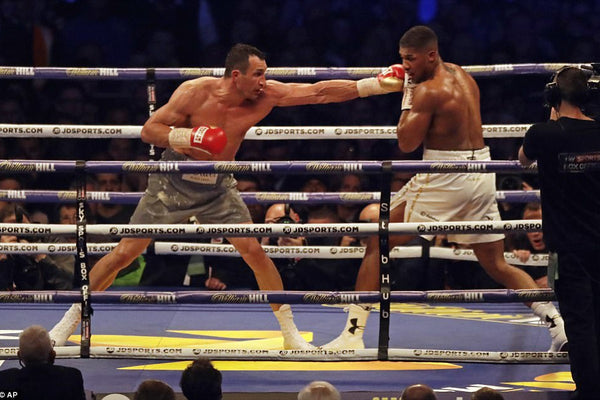
Wembley Nights: how British heavyweights brought back the stadium superfight
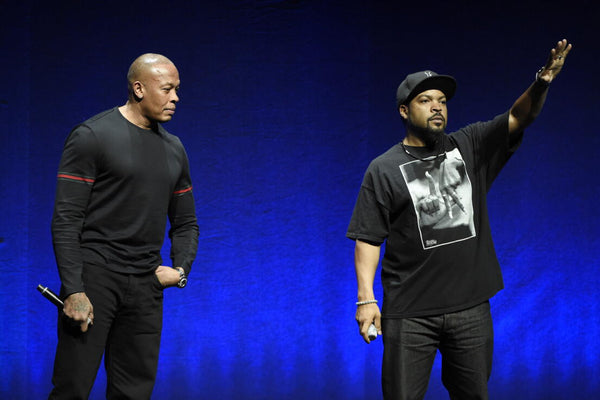
From N.W.A to Kendrick: the story of Compton rap

How the ladder match changed WWE, from Razor vs Michaels to Money in the Bank

Sun God Nika and Gear 5: how One Piece reimagined a shonen hero

From De La Hoya to Canelo: how Mexican boxing built the modern superfight

From GTA III to San Andreas: how the PS2 era reinvented the open world
The Undertaker’s many lives: how a 30-year persona kept wrestling haunted

Saiyan Pride and Rivalry: Goku, Vegeta, Frieza and the making of Dragon Ball’s myth

Demon Slayer’s Upper Moons explained: ranks, roles and rivalries
Shenmue and the birth of the living open world: how a Dreamcast gamble changed games

