


Sun God Nika and Gear 5: how One Piece reimagined a shonen hero
Posted by INDEPENDENT LABEL
When Luffy bounces back in Wano looking like a rubber‑hose cartoon who has wandered into a battle manga, One Piece changes tempo. The grin is wider, the punches stranger, and the series’ long‑running idea of freedom suddenly has a shape. That is Gear 5. That is Sun God Nika entering the frame.
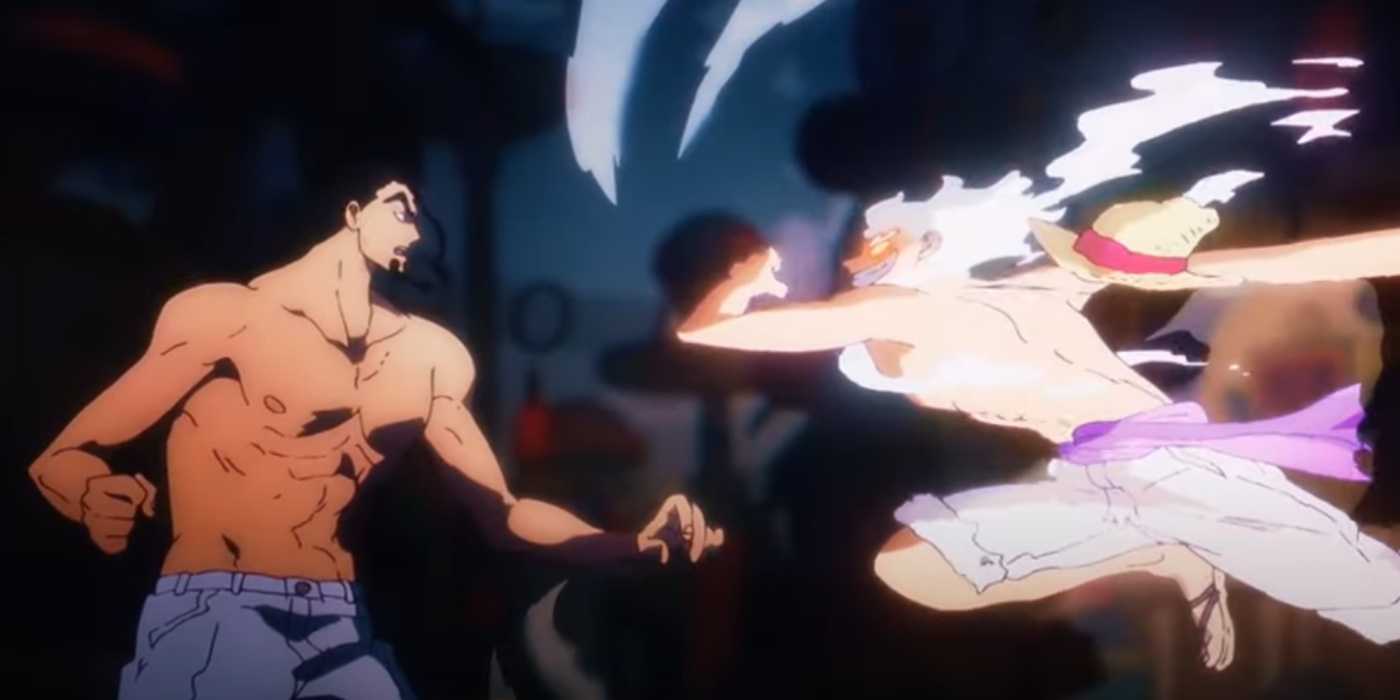
What Gear 5 actually is
In the Wano arc, Chapter 1044 reveals that Luffy’s Devil Fruit was never the simple rubber ability the world believed. The power the World Government labelled the Gomu Gomu no Mi was a cover story. In truth, he had eaten the Hito Hito no Mi, Model: Nika, a Mythical Zoan fruit tied to the figure known as the Sun God Nika. When it awakens, Luffy reaches what fans call Gear 5, and the series frames him as a “warrior of liberation.”
Mythical Zoan awakenings are often described as granting a user qualities of the legendary being. In Luffy’s case, his body and fighting style take on an exaggerated looseness and spontaneous, playful logic associated with Nika’s legend. The silhouette is distinctive: lanky, almost noodly limbs and flame‑shaped hair, a look Vegapunk later compares directly to Nika. On page and screen, the hero moves with a mischief that feels as much idea as muscle.
Where Sun God Nika comes from
Before Chapter 1044 pulled back the curtain, the name Nika first reached readers in Chapter 1018. That scene pushed the myth from background whisper to open lore. Reporting also notes that the Buccaneers knew of Nika, copying a dance linked to the figure and believing Nika would one day save them. The Five Elders are aware of Nika as well, mirroring the World Government’s interest in keeping the fruit’s true nature hidden.
There is a longer thread. Coverage connects Nika to Joy Boy, indicating Joy Boy previously wielded the same Sun God Nika powers. The fruit itself was in circulation 13 years before the current story, stolen by the Red Hair Pirates and later eaten by Luffy. The awakening reads less like a late addition and more like a reveal with deep roots.
From Gear 2 to Gear 5: a different kind of ladder
For years, Luffy’s Gears were pragmatic evolutions. He found ways to push his rubber body harder, striking faster or larger, squeezing extra craft out of the same base material. Gear 4 made him a spectacle of compressed force. Gear 5 changes the framing. It is less the next rung on a power ladder and more a door into a space where rules bend with his imagination. The awakening recasts his abilities as an expression of Nika’s liberating spirit. In fights, that means elastic problem‑solving that borders on the absurd and a joy‑first attitude that makes resistance look playful.
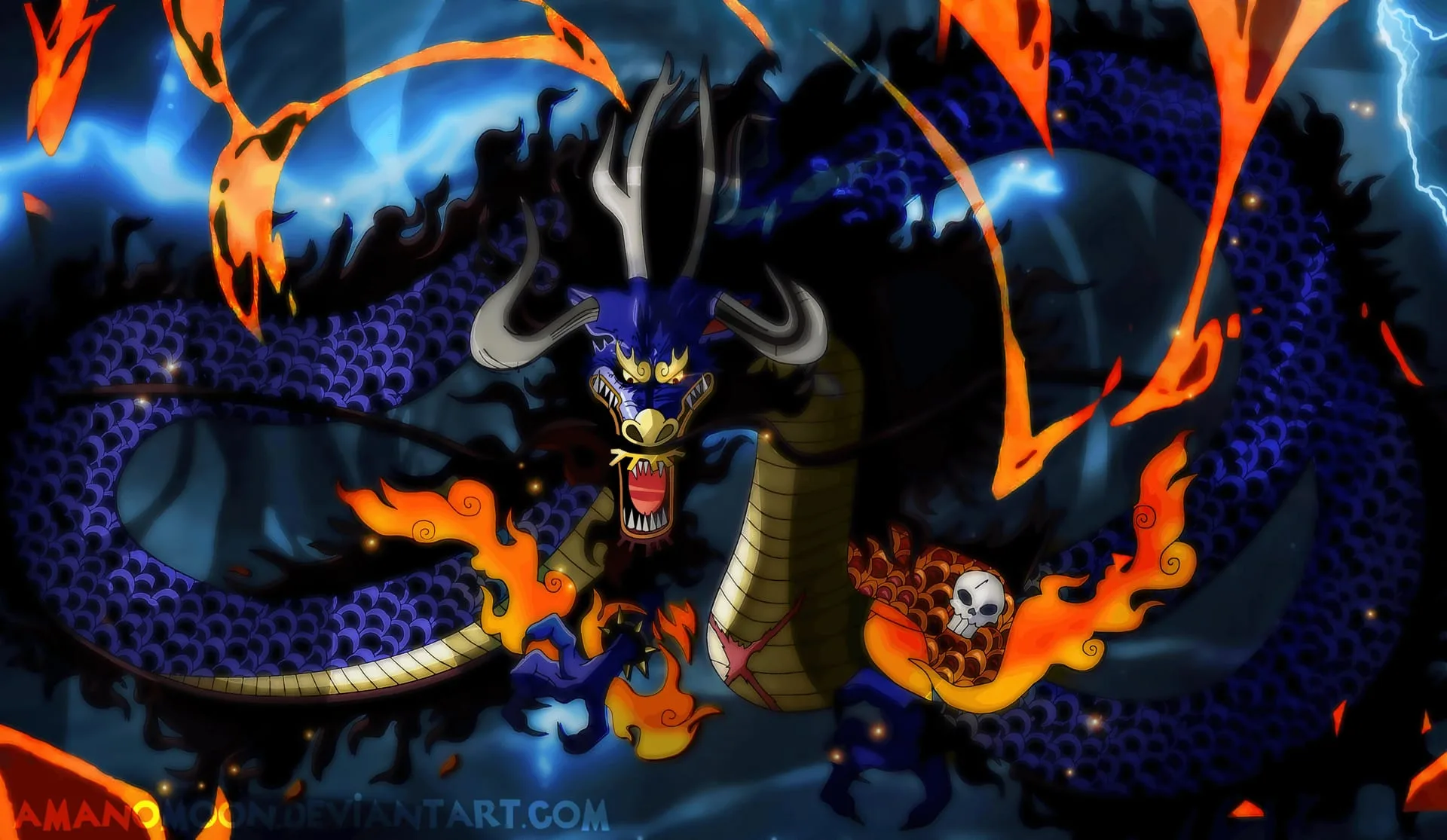
Wano, Kaido and the payoff without spoiling it
Gear 5 arrives in the thick of Wano’s climactic battle. Luffy awakens, the energy changes, and he even strikes a pose associated with Nika’s myth. The opponent across from him is Kaido, and the visual language of the fight tilts toward a carnival of movement. You do not need to discuss the result to understand the impact. From the moment of awakening, the choreography expands into something freer and stranger, a payoff for years of building Luffy’s ethos around unfettered movement and laughter.

Rubber‑hose chaos and the new look of shonen
What sets Gear 5 apart aesthetically is how openly it flirts with old‑school cartoon logic. Commentators have described a kind of “Toon Force” quality at play, pointing to what you see on screen: shape‑shifting inventiveness, physics that flex to match a punchline, and combat that solves problems with imagination as much as force. It is not presented as a throwaway gag. It reads as freedom made visible. The rubber‑hose echoes make the clash of tones sharp. In a world of blade beams and aura flares, Luffy’s body language becomes buoyant optimism.
If a Mythical Zoan awakening grants traits of the legend, then Nika’s association with liberation and laughter explains why these scenes tilt into expressive, elastic play. Gear 5 moves like a festival through a battlefield, and the contrast lets the series ask why joy matters amid conflict.
Freedom, joy and rebellion as power
Nika’s legend is tied to ideas of hope and release. With Gear 5, Luffy is repeatedly framed as the Warrior of Liberation. On the page, that translates into fights that read like jailbreaks from heaviness. The pose, the grin, the ever‑looser lines around his limbs, they broadcast a message. In One Piece, breaking chains is more than a plot beat. It is a tone, and with Gear 5 that tone drives the action.
This is part of why the reveal landed so loudly across fandom. The series suggests that the opposite of oppression is not only rage, though rage appears when needed, but the urge to laugh and move how you want. By giving Luffy a form that functions as gleeful release, One Piece lets personality sit at the core of a power system without losing the stakes.
Power‑ups by comparison, and the debate
Shonen upgrades often climb towards severity. Hair spikes, eyes narrow, soundtracks grow sterner. Gear 5 steps sideways. It trades edge for elasticity and makes comic timing part of combat rhythm. This is not just styling. It argues that seriousness does not have a monopoly on strength. Luffy is strong enough to stay playful, and the story backs that choice with its central theme of freedom.
Not everyone is convinced. Some fans see a contradiction in the reveal, reading it as a “chosen one” pivot that risks undermining the scrappy, self‑made side of his rise. Pop‑press critiques have voiced similar concerns. Others counter that One Piece has always carried buried myths, and that Luffy’s fit with Nika’s ethos feels earned more than bestowed. Both readings exist, and the conversation shows no sign of closing.
Fan culture, memes and the split reaction
Once Gear 5 hit screens and panels, memes were inevitable. Scenes of Luffy bending reality for a punchline spread as instant reaction images, and the design invited fan art emphasising that noodly silhouette and flame‑like hair. Alongside the celebration, there are long threads pushing back on the Nika element as a retcon. The split has not hurt momentum. If anything, it has kept the form a live topic rather than a settled entry in the character’s upgrade list.
Key chapters and scenes to watch
For a focused run‑up without spiralling into spoiler country, start here:
- One Piece Chapter 1018: a modern‑era mention of Nika’s myth, a turning point in how openly the story addresses it.
- One Piece Chapter 1044: Luffy’s awakening of the Hito Hito no Mi, Model: Nika and the debut of Gear 5 during Wano.
- The Wano arc’s corresponding anime episodes: Luffy’s Gear 5 scenes translate the manga’s looseness into animation with a swing toward cartoon‑logic spectacle.
You will also spot later scenes where Vegapunk compares Luffy’s form to Nika, reinforcing the visual and thematic connection, and moments where characters beyond the Straw Hats show awareness of the myth.
Related faces in the wider world
Wano brings Luffy into direct collision with Kaido and the political gravity around him. That is the stage on which Gear 5 first plays out. Elsewhere, glimpses show how Nika’s story reaches beyond a single fight or island. Accounts point out that the Buccaneers preserved dances and beliefs tied to Nika, and that the Five Elders hold knowledge of the figure the public does not.
It is also worth drawing a boundary. While images of other characters in Nika‑like forms circulate, they are not all the same thing. Reporting notes that Jewelry Bonney’s age‑based ability can conjure a future version of herself with Nika‑like traits, which is distinct from Luffy’s actual awakening of the Hito Hito no Mi, Model: Nika. Gear 5 remains Luffy’s alone.
Luffy, studied
Luffy has always been a character whose philosophy is written on his face. He laughs first, refuses to sit still, and treats rules like nets to slip. Gear 5 does not reinvent him. It literalises him. The Warrior of Liberation framing draws a line between the way he has moved through the world since early on and the form he now takes when the story asks for its biggest counter‑punch. If earlier Gears were the engineer’s responses to tougher problems, Gear 5 reads like a manifesto.
The last word
Gear 5 lets One Piece reframe what shonen strength can look like. The reveal ties Luffy’s present to an old myth, puts freedom and laughter in the foreground, and opens the door to a cartoon‑logic style that still carries weight. Whether you champion it as a bold swerve or worry about a “chosen one” shadow, the effect is clear. Joy becomes a weapon, and the form makes that feel dangerous. That is a leap worth talking about.
Shop One Piece
Explore Independent Label designs inspired by One Piece.


From N.W.A to Kendrick: the story of Compton rap

How the ladder match changed WWE, from Razor vs Michaels to Money in the Bank
From De La Hoya to Canelo: how Mexican boxing built the modern superfight
From GTA III to San Andreas: how the PS2 era reinvented the open world
The Undertaker’s many lives: how a 30-year persona kept wrestling haunted
Saiyan Pride and Rivalry: Goku, Vegeta, Frieza and the making of Dragon Ball’s myth
Demon Slayer’s Upper Moons explained: ranks, roles and rivalries
Shenmue and the birth of the living open world: how a Dreamcast gamble changed games
The Last Dance Effect: how the 90s Bulls made NBA style iconic again

Underground 2, DUB and the 2000s street-racing look: how games made the scene

