


The Undertaker’s many lives: how a 30-year persona kept wrestling haunted
Posted by INDEPENDENT LABEL
The bell rings, the lights fall, and a figure in a black hat and duster emerges through the fog. For three decades that silhouette did not just signal a match, it signalled theatre. When The Undertaker gave his Final Farewell at Survivor Series in November 2020, it landed with ritual weight. It came 30 years to the day after his 1990 debut, closing a loop most wrestling characters never get the chance to complete.
This is the strange achievement of Mark Calaway’s Undertaker. He crafted a persona that could carry Western-gothic funerary touches, occult melodrama, a biker detour and a brush with the cinematic, yet still feel of a piece. Across eras, broadcast technologies and creative shifts, the character bent to the times without losing its chill. The result is a singular cultural presence in WWE, and a working lesson in how to build a myth on live television.
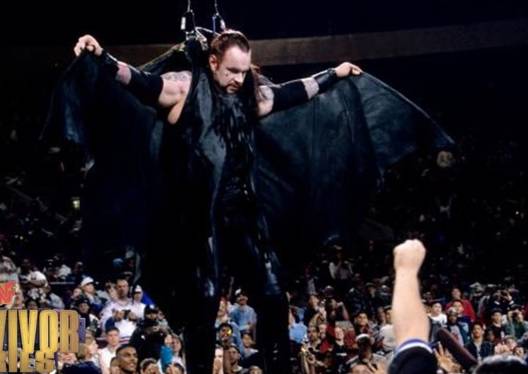
Entrance as cinema
Before the bell, there was the entrance. The Undertaker’s walks to the ring became events in themselves, calibrated for television and the live crowd. Coverage has likened them to funeral marches designed with a blockbuster eye for scale and sound. The slow pacing, the gong, the rolling fog and that silhouette did more than look grand. They stretched time in a product that usually runs at breakneck speed, making space for dread and anticipation. The black hat and duster were not just costume. They formed a visual grammar fans read instantly, a promise of something uncanny on a card of otherwise mortal men.
WWE has always thrived on spectacle, but The Undertaker refined a template. He showed how lighting, sound and camera choice could sell character as hard as any promo. It is hard to imagine the company’s modern production without that lodestar, or the many acts who learned to treat their entrances as narrative chapters rather than a walk to work.
From Western mortician to occult minister
The Undertaker arrived steeped in Western-gothic funerary cues, a macabre mortician straddling genres wrestling rarely combined. As the 1990s evolved and the company veered toward more shock-heavy fare, the character met the moment. He fronted an occult-tinged faction and took part in an angle built around a ritualistic, satanic “marriage” to Stephanie McMahon. It was lurid, controversial television that matched a late-90s appetite for transgression.
Those years also leaned into televised mythmaking. The Undertaker could be seen ascending to the heavens or rising from the inferno on live broadcasts. For some viewers this read as camp, for others operatic. What mattered for the character was elasticity. The Deadman persona could stretch from spaghetti Western to bargain-basement horror and still feel coherent, precisely because the show required a figure who could step past sport into the absurd and make it feel immediate.
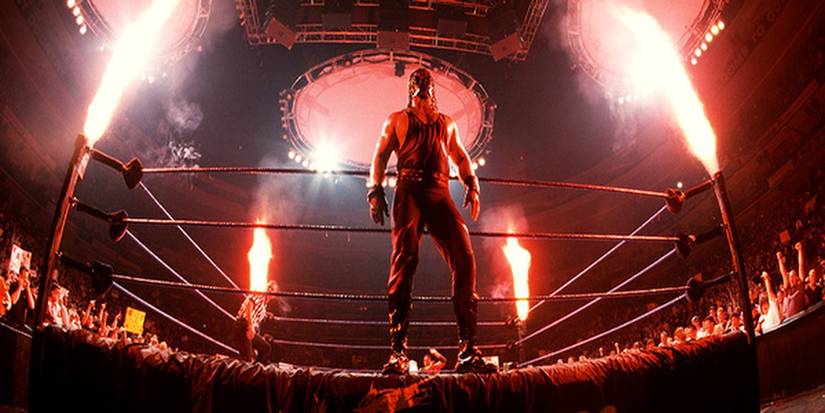
The family horror at the heart of it
WWE introduced a masked seven-foot monster called Kane as The Undertaker’s brother, giving the Deadman a blood knot that would bind the next decades. Kane’s backstory cast him as a survivor of a childhood fire, shaped into something both tragic and vengeful. The two would feud and, crucially, ally as The Brothers of Destruction.
The brother device did more than add a rival. It put a family curse into the Undertaker myth, a classic horror move. In wrestling, where every week needs stakes, the story supplied a bottomless well. If the Deadman was an archetype, Kane was its reflection, together turning single matches into chapters of a generational saga. On a practical level, the alliance gave WWE a proven pairing when needed. On a mythic one, it showed the character could be many things at once: a monster, a mentor, a betrayer, a saviour. That range helped the persona outlast one era after another.
The American Badass pivot
In 2000, after time away with injury, Calaway returned at Judgment Day on a motorbike. The leather and bandana signalled a break from the sepulchral trappings. The biker-era Undertaker, often nicknamed Bikertaker, rolled the character closer to the performer’s real-world aura while keeping the intimidation intact.
Whether the supernatural should ever have parked up beside a Harley was debated, but the shift revealed how long-term wrestling characters survive. You cannot hold a single note for that long without it going flat. The American Badass years let Calaway speak and move differently, reframing an archetype as someone who could adjust to the times without losing his threat. When the Deadman aesthetic returned, it arrived burnished rather than played out, a flex few gimmicks pull off.
The Streak as modern myth
If the entrance built anticipation, WrestleMania built status. The Undertaker holds the record for the longest winning streak at WWE’s biggest show. It grew into an annual ritual, with opponents walking into not just a match but a legend. There are title reigns and there are main events, but nothing in the company quite functioned like the Streak. It stood apart from belts and booking cycles, a measuring stick for eras and a story you could tell once a year without staleness.
That record mattered because it asked the audience to treat WrestleMania as sacred space. It also gave the Undertaker a second character inside the first. On normal nights he was a presence. On that night he was a test. The Streak drew a clear line from entrance aesthetics to in-ring psychology. The lights drop, the march begins, and the opponent looks like they have wandered into a funeral for their own momentum.
Kayfabe held together with mist and grit
Across the 1990s and 2000s, Calaway rarely broke character in public. That discipline hardened the Undertaker into lore. In an industry built on winks, he kept the lights down and the veil in place. When he did lift it, he chose long-form documentary. WWE’s The Last Ride offered a rare look at the person behind the brim, charting injuries, choices and the slow turn toward retirement. It did so without puncturing the myth. If anything, it allowed viewers to understand the craft without dissolving the fiction they had invested in.
The closing stretch of his career leaned into that blend of performance modes. At WrestleMania 36 in 2020, he faced AJ Styles in a Boneyard Match, a cinematic presentation that suited a veteran presence and the character’s long flirtation with horror. Months later the Final Farewell at Survivor Series confirmed the end point. Thirty years is a number that invites ceremony, and WWE gave it. The moment landed because the man at the centre had spent decades teaching audiences to treat the bell as ritual rather than jingle.
Sports entertainment, fully spelled out
The Undertaker is a strong argument for the term sports entertainment. He is a clear example of WWE’s blend of character work and spectacle, often cited as proof of the company’s hybrid promise. In practice that meant investing in aesthetics as heavily as technique, and building stories that could swerve into the supernatural without snapping. The Undertaker gave the company a through line. He also offered new generations a framework for how a gimmick can carry a show without looking flimsy under the studio lights.
Beyond the ring
Myths travel. The Undertaker’s cultural reach extended beyond WWE screens. He appeared as a character in the Bollywood film Khiladiyon Ka Khiladi, played by an actor who had also wrestled as the so-called fake Undertaker. The silhouette and the aura were legible enough to be borrowed, remixed and recognised in a different cinema tradition.
Inside wrestling, the effect is easier to spot. You can see traces of the Deadman approach any time a performer uses entrancecraft to expand their world, or when a storyline borrows the grammar of horror and ritual to lift a feud above a simple ranking dispute. It is also there when a long-serving wrestler tweaks a persona rather than discarding it, trusting that audiences prefer continuity with wrinkles to a reset every year.
The last gong
Wrestling is not shy about promising immortality. The Undertaker made it look plausible for longer than most. He did it by treating character as a living thing, not a catchphrase. He did it by understanding that an entrance is a story, not a stroll. He did it by allowing horror to sit alongside sport on a national broadcast, turning kayfabe into a kind of folk tale told in weekly instalments.
When the Final Farewell closed at Survivor Series, the image that lingered was the same one that started it all. A figure, a hat, a coat, a walk. For 30 years he taught a crowded spectacle to slow down and watch the fog. That is a hard lesson to forget.
Shop The Undertaker
Explore Independent Label designs inspired by The Undertaker.


TAGS:
From N.W.A to Kendrick: the story of Compton rap
How the ladder match changed WWE, from Razor vs Michaels to Money in the Bank
Sun God Nika and Gear 5: how One Piece reimagined a shonen hero
From De La Hoya to Canelo: how Mexican boxing built the modern superfight
From GTA III to San Andreas: how the PS2 era reinvented the open world
Saiyan Pride and Rivalry: Goku, Vegeta, Frieza and the making of Dragon Ball’s myth
Demon Slayer’s Upper Moons explained: ranks, roles and rivalries
Shenmue and the birth of the living open world: how a Dreamcast gamble changed games
The Last Dance Effect: how the 90s Bulls made NBA style iconic again
Underground 2, DUB and the 2000s street-racing look: how games made the scene

