


Demon Slayer’s Upper Moons explained: ranks, roles and rivalries
Posted by INDEPENDENT LABEL
The moment the Upper Moons step into Demon Slayer’s frame, the air changes. They are not background monsters but the ceiling of Muzan Kibutsuji’s power, the opponents the Hashira prepare for and the fights the story builds towards. Understanding who they are, how their hierarchy works and what philosophies they bring to the battlefield adds weight to every confrontation Tanjiro walks into.
The Twelve Kizuki hierarchy, in plain sight
Muzan’s elite are called the Twelve Kizuki, a closed circle split between six Lower Ranks and six Upper Moons. The Lower Ranks carry out orders and terrorise the night, but the Upper Moons are the true spearhead of Muzan’s will. They are the most skilled and dangerous demons under his command. While the Hashira have cut down many Lower Ranks, the Upper Ranks have hunted, killed and eaten many Hashira in return. That history is why the Demon Slayer Corps move with caution whenever a numbered demon appears.
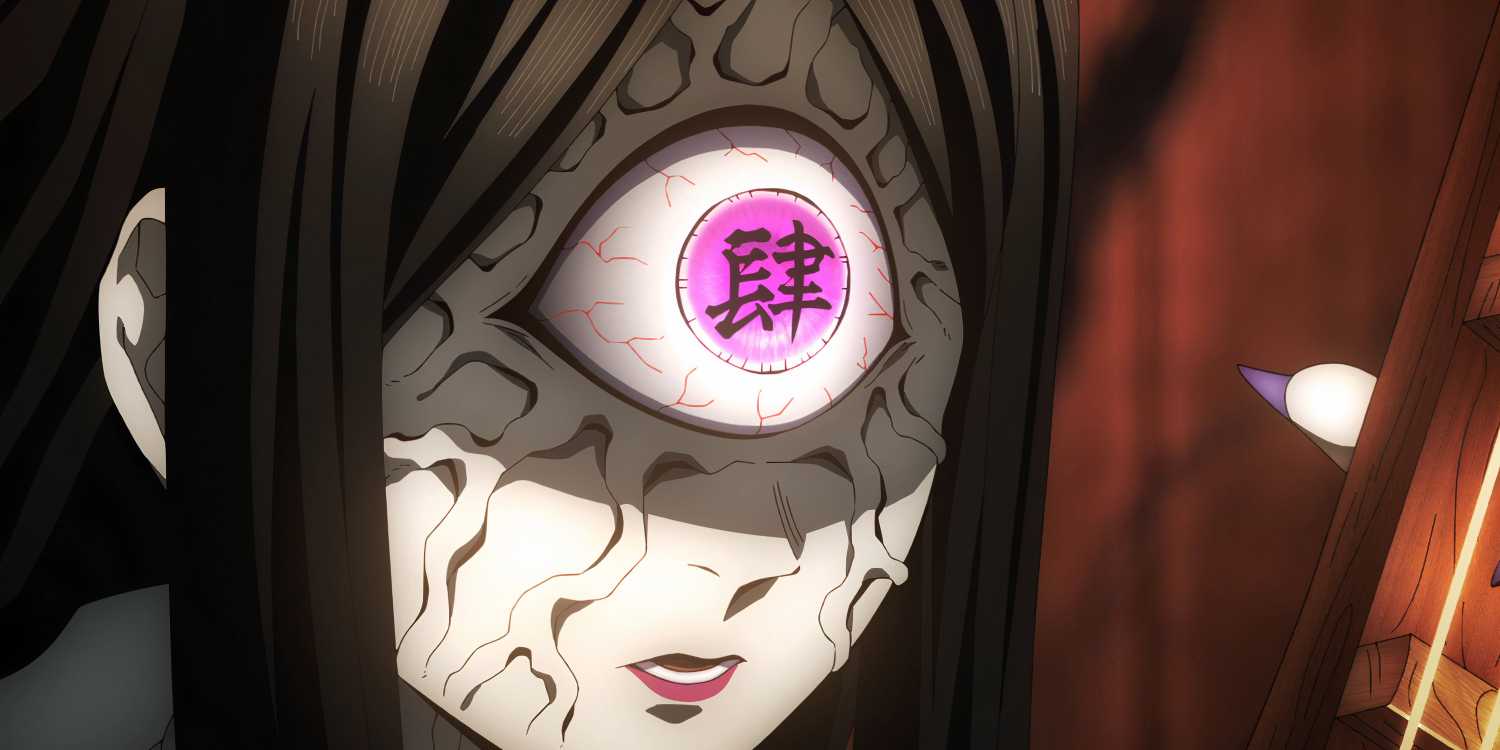
The Kizuki wear their status on their bodies. Each ranked demon bears their number in an eye, a visible warning that there is no easy way out. Among the Upper Moons, rank still matters. One is the summit, Six the baseline within the elite, yet all Upper Ranks have survived for decades or centuries, refining Blood Demon Arts and combat instincts. Their power scales in part with the amount of Muzan’s blood they can assimilate and control. Longevity, regeneration and technique create the stark gulf between ordinary demons and the Upper Moons.
Upper vs Lower: why the gulf is so wide
The series draws a hard line between the two halves of Muzan’s ladder. The Lower Ranks are replaceable. The Upper Moons are not. Within the story, it is remarked that an Upper Rank’s strength can rival several Hashira at once, with capabilities varying by individual. Treat that as a field assessment rather than a rule, but the signal is clear. When an Upper Moon appears, the Corps must raise the stakes.
That gulf shows in attitude as well as power. The Upper Ranks despise the Lower, a disdain mirrored by Muzan’s ruthlessness and by the long stability of the Upper seats. Before the Entertainment District arc, no one had managed to kill an Upper Rank for over a century. For Demon Slayers raised on losses, the Upper Moons have felt like an immovable wall.

Meet the six seats: a shifting pantheon
The Upper Moons function less as a club of personalities and more as a living weapon. They serve Muzan’s wider goals, including the search for the elusive blue spider lily, yet they vary wildly in style, temperament and design. One seat is even shared. Daki and Gyutaro operate together at Upper Moon Six, a rare configuration that shows Muzan’s flexibility when talent is involved. At the opposite end sits Upper Moon One, the blade that cuts deepest.
Kokushibo, Upper Moon One, shows how Demon Slayer refracts samurai discipline through horror. His Moon Breathing techniques mirror the Corps’ styles, amplified by demonic speed and strength. Even his sword rejects human craft. It is formed from his own body and can change length and shape mid-fight. Canon points to a lifelong inferiority complex towards his brother Yoriichi, the first Breathing Style user and the most powerful demon slayer, and to a decision that placed Kokushibo at Muzan’s side. He also carries a human thread into the present. During the Infinity Castle confrontation, he senses a blood relation to Mist Hashira Muichiro Tokito and reveals his Moon Breathing, an encounter that underlines how the series mirrors human and demon legacies.
Lower down the ladder, seats shift when blood is spilled. When an Upper Rank dies, Muzan promotes replacements and the eye markings change accordingly. In canon, that has included Nakime stepping into Upper Moon Four and Kaigaku taking on Upper Moon Six. Kaigaku brings elements of his sword training into his demon life, a reminder that human craft does not always vanish when a demon is made. Reshuffles reaffirm Muzan’s hierarchy and keep the Upper roster lethal.
Spoiler note for anime‑first viewers
The promotions above occur later in the story. If you are following the anime only, treat them as light manga spoilers that illustrate how Muzan keeps the Upper seats filled rather than plot twists in themselves.
Philosophies that clash: strength, pride and human resolve
Demon Slayer is not a catalogue of techniques or a simple gauntlet of bosses. Its best fights pit beliefs against each other, and nowhere is that clearer than at the level of the Upper Moons and the Hashira.
Kokushibo’s worldview is the easiest to read. In him, the pursuit of mastery survives while compassion is stripped away. Moon Breathing is the vehicle, demonic regeneration the fuel, and the engine is a lifetime spent measuring himself against an unreachable standard. His battles read like arguments as much as sword duels, a vision of perfection without empathy colliding with the Corps’ ethic of protection and sacrifice. The blood tie he senses with Muichiro folds the Hashira into his story, showing how kinship and legacy cut both ways.
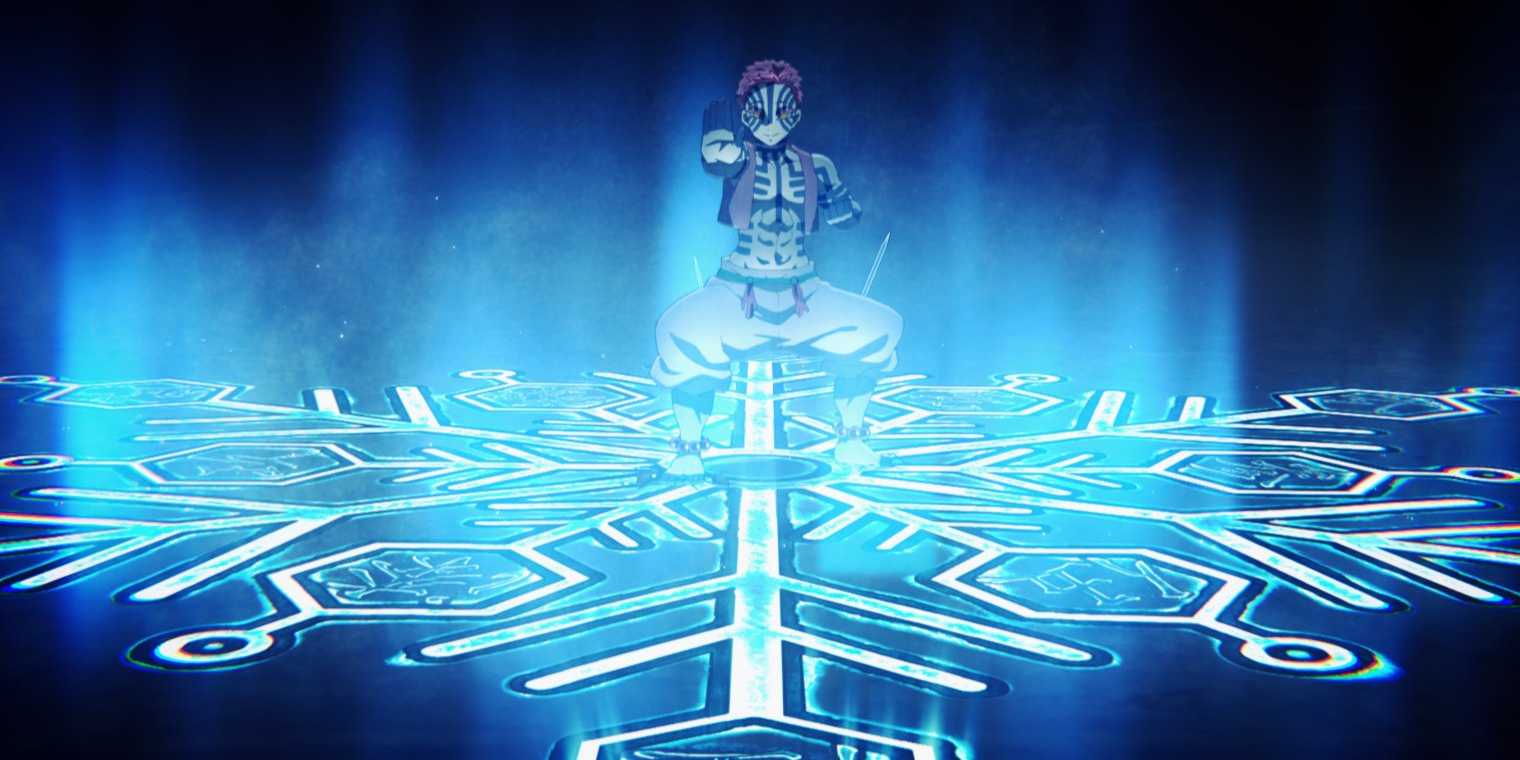
Akaza, Upper Moon Three, sits at the core of the series’ martial themes. He represents an abiding question the story returns to: what strength is for, and what it costs when pursued without restraint. That makes him a foil for the Hashira not because he uses similar techniques, but because he answers the same questions from a different angle. The details of his personal code and past are beyond the scope of the material used for this guide, but his presence keeps that philosophical debate alive.
Across the board, the Upper Moons operate with a stark logic. Strength confers the right to act. Muzan’s orders are law. Humans are prey. The Hashira invert that hierarchy. Strength is a means to defend the weak. Rivalries and egos exist within the Corps, but they bend around a shared purpose. When these worlds collide, belief is often what breaks first.
How power scales at the very top
What makes an Upper Moon oppressive is not a single trick but accumulation. Demons who survive for decades or centuries turn regeneration into a fighting style. With more of Muzan’s blood, they do not simply hit harder. They become harder to read and harder to pin down. They think through wounds and adapt on the fly. That is why the Corps do not treat a new technique as a silver bullet. They talk about teamwork, terrain, timing and the willingness to make sacrifices that create an opening.
Breathing Styles still matter, and Kokushibo proves it in the most unsettling way. He takes a swordsman’s grammar and uses demonic physiology to rewrite it. The result is a blade that moves like a limb and forms that push beyond what a human body can safely execute. It is a pointed contrast to the Corps, where forms are learned to conserve oxygen and focus will. Between those poles lies Tanjiro’s education. Each contact with the Upper Moons pressures him to refine what he knows rather than chase spectacle.
Design tells a story, too
Demon Slayer’s visual language helps set the Upper Moons apart before a blade is drawn. The numbered eyes are not only rank marks. They cue everyone on screen that death has entered the room. The shared seat at Six, held by siblings Daki and Gyutaro, is unsettling even at a glance. Kokushibo’s sword-as-flesh and the rippling crescents in his Moon Breathing leave a shape that is hard to forget. The series leans into these motifs because the Upper Moons outline Muzan’s ambitions on the night.
For readers who collect what they love
If Demon Slayer’s hierarchy and design details have you revisiting favourite moments, the Independent Label team occasionally highlights pieces that speak to this world’s imagery and energy. Keep an eye on the Journal and the shop for carefully chosen drops tied to the series, from artwork to apparel that nods to the Corps and their rivals.
The Upper Moons exist to make the night feel heavier. Understanding how they are ranked, why they are feared and what beliefs they bring into battle does not sap that weight. It adds context to the awe. The next time a numbered eye opens in the dark, you will know what kind of history has just stepped onto the field.
Shop Demon Slayer
Explore Independent Label designs inspired by Demon Slayer.


TAGS:
From N.W.A to Kendrick: the story of Compton rap
How the ladder match changed WWE, from Razor vs Michaels to Money in the Bank
Sun God Nika and Gear 5: how One Piece reimagined a shonen hero
From De La Hoya to Canelo: how Mexican boxing built the modern superfight
From GTA III to San Andreas: how the PS2 era reinvented the open world
The Undertaker’s many lives: how a 30-year persona kept wrestling haunted
Saiyan Pride and Rivalry: Goku, Vegeta, Frieza and the making of Dragon Ball’s myth

Shenmue and the birth of the living open world: how a Dreamcast gamble changed games
The Last Dance Effect: how the 90s Bulls made NBA style iconic again
Underground 2, DUB and the 2000s street-racing look: how games made the scene

