


Manchester United’s No. 7: Best, Cantona, Beckham and the making of a myth
Posted by INDEPENDENT LABEL
When Mason Mount pulled on Manchester United’s No. 7 in 2023, he did more than choose a shirt. He stepped into a story told in terraces, pubs and ad campaigns for three decades, a number that can make a new signing look like a standard‑bearer before he has kicked a ball. He cited Cristiano Ronaldo and David Beckham as inspirations and, in doing so, nodded to how a winger’s digit became Old Trafford’s most charged symbol.
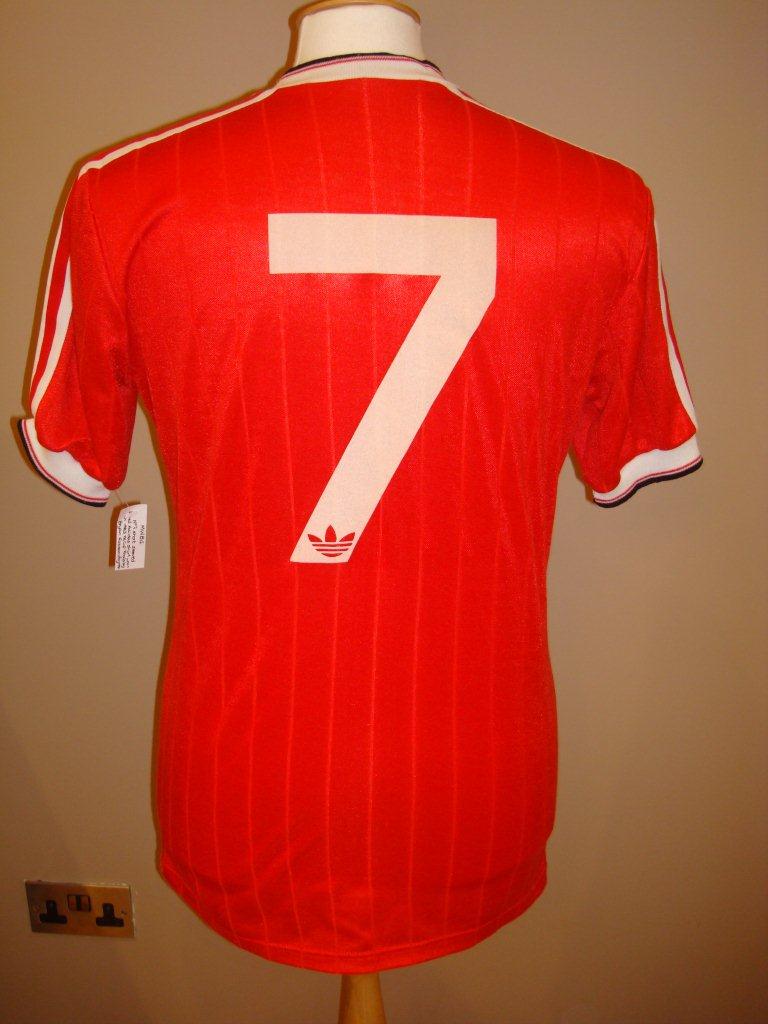
The winger’s digit that grew teeth
Before it was myth, No. 7 was simply a position. In traditional English numbering, seven meant right wing. At United the picture began to shift with Bryan Robson, a central midfielder and captain who had worn the number at West Bromwich Albion. He took Manchester United’s No. 7 from Steve Coppell and, by doing so, nudged the shirt away from chalk‑on‑boots winger towards talisman. The shirt’s meaning began to accumulate, moving from role to responsibility.
Popular lore pitches George Best as the origin point of United’s No. 7 superstardom, but that neat version does not survive contact with the record. Best did wear seven at times, yet he wore No. 11 in 246 Manchester United games, more than half of his appearances. The Athletic describes the Best‑as‑No. 7 starting point as a myth, which matters because it refocuses where the modern meaning truly clicks into place.
Permanent numbers, permanent expectations
The hinge arrives with the Premier League era and the introduction of permanent squad numbers in 1993–94. Manchester United’s seven was given to Eric Cantona. He succeeded Robson as the shirt’s most visible custodian and the symbolism sharpened. Here was a forward in a traditionally winger’s number, a player whose personality read as command, using seven to project presence as much as position. Reporting argues it was Cantona who truly made No. 7 United’s emblem, crystallising the association just as names and numbers settled into permanence.
That early 90s recalibration at Old Trafford extended beyond names on backs. No. 9 Brian McClair shifted from striker into midfield while Cantona took seven and became the fixed point. As permanent numbers turned footballers into year‑on‑year characters, Cantona’s seven functioned as a signal of authority.
Beckham and the global circulation of a number
After Cantona retired in 1997, Sir Alex Ferguson made a decision that fixed No. 7 firmly to star power. David Beckham, whose United No. 10 had already become familiar, was assigned seven. Teddy Sheringham took Beckham’s vacated No. 10. With that handover, United hardwired the number to leadership, line‑breaking skill and a poise that read on camera as well as on grass.
Beckham then did something that changed how we think about numbers in sport. He wore No. 7 for England and threaded the digit into his off‑pitch identity, including the DB07 label. Shirt numbers had long been identifiers; in Beckham’s hands, seven became a signifier, a logo. Sponsor activations and fashion shoots met grassroots football in a feedback loop, and United’s seven was the touchpoint. The shirt shed any remaining sense of being just a position; it became a character role in the club’s story.

Ronaldo and the brand made flesh
When a teenage Cristiano Ronaldo arrived, he asked for No. 28. Ferguson insisted he take No. 7. That instruction delivered both a challenge and a coronation, setting public expectation in a single digit. The player followed by embracing seven as presentation and persona, adopting CR7 as a brand while his game accelerated.
The moments that hardened his myth are now part of the club’s memory. Ronaldo scored a towering header in the 2008 Champions League final and later missed in the penalty shootout, an arc of triumph and jeopardy that felt like the shirt extracting drama from its wearer. He went on to become Manchester United’s first Ballon d’Or winner since George Best, then left for Real Madrid in 2009 for a then world‑record £80 million fee. The seven had been raised to world‑leading status and exported at peak value.
After Ronaldo: a number made heavy
Post‑Ronaldo, United leaned into keeping the seven’s legacy alive, reflecting a club increasingly conscious of branding. Successors found the shirt both platform and burden. The number still had theatre to offer. Michael Owen, signed in 2009, scored a stoppage‑time winner in a 4–3 derby against Manchester City soon after arriving, the sort of instant narrative the shirt seems to invite. Edinson Cavani later became the first out‑and‑out striker to wear United’s seven since Owen, another sign that the number had broken free of positional roots.
Even so, history adds weight. You inherit the shirt and a potted history of charisma. You inherit brand expectations too, those two‑character monograms and product lines that sit alongside matchday responsibility. In that environment it is no surprise that the modern seven is as much about absorbing pressure as expressing flair.

Best, Cantona, Beckham: what each truly added
The number’s story is often told as a straight line from Best to Cantona to Beckham to Ronaldo, but the truth has more knots. Best’s place in the memory bank is indisputable, yet the factual record shows he was not the weekly No. 7. What he bequeaths is less a shirt tradition and more an appetite for swagger, an expectation that Manchester United attackers play with visibility that draws neutral eyes. That conceptual inheritance, even if it outgrows the numbering charts, feeds the later reading of seven as an expectation of spectacle.
Cantona then gives the number definition in the specific environment of the Premier League’s branding age. Permanent numbers meant a seven could be a character across seasons rather than a one‑off on the day. Cantona filled that space with command. He is the pivot between a traditional numbering system and a modern culture in which numbers become shorthand for personality types. With him the seven reads as captain‑energy, even when the armband sits elsewhere.
Beckham’s contribution is the export. He did not only wear seven; he broadcast it. By taking the number with him to England and incorporating it in DB07, he turned the shirt into a commodity that circulated as widely as highlight reels. If Cantona made seven the club’s calling card, Beckham helped make it the club’s logo.
The No. 7 contract: responsibility and visibility
Leadership at Manchester United has never been confined to the captain’s band. The seven performs a cultural leadership role. From Robson bending convention by wearing it in central midfield, to Cantona embodying authority as a forward, to Beckham placing it at the heart of his public identity, the shirt telegraphs responsibility. It asks for nerve in decisive moments and the personality to ride a week of headlines. Ronaldo’s tenure underlined that, from that Moscow header and miss to the Ballon d’Or glare and the record transfer that followed.
That visibility shapes how supporters relate to the team. Fans do not only back the badge; they often back the number. They buy a seven because it promises a certain feeling. For many, that feeling began in the 90s and continued into the 2000s as CR7 banners and boot deals folded the digit into football’s wider culture. At Old Trafford, the seven is a meeting point for the club’s heritage and the theatre of its present, the number that says something about United’s intent before a ball is kicked.
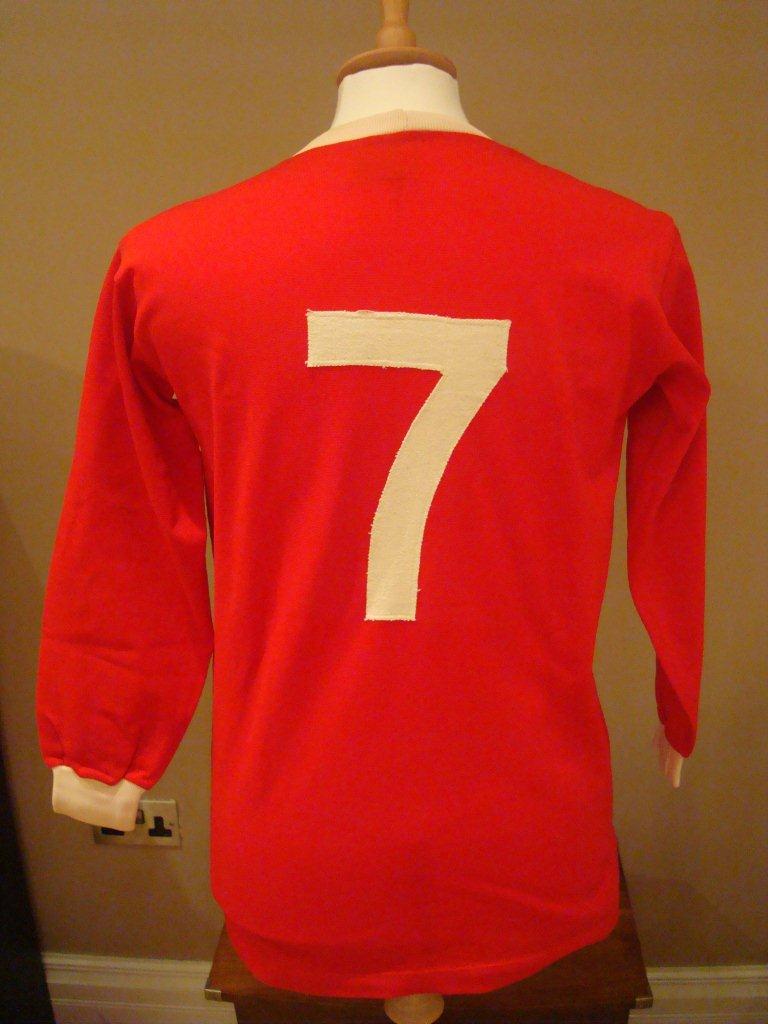
Why this myth endures
United’s seven is not revered because one legend wore it forever. It endures because different types of footballer reinterpreted it at defining moments for the club. Best sits closer to the origin myth than the formal record, but his influence on what United supporters expect from attacking players hums underneath everything. Cantona caught the moment permanent numbers collided with personality and turned seven into shorthand for authority. Beckham made it travel, and Ronaldo made it a global brand while performing at a level that brought the game’s biggest honours and a record transfer.
The result is a shirt that now speaks before the wearer does. It is a promise and a dare, a reminder of what Old Trafford admires most in its stars. Every new assignment of the number reopens the conversation about leadership and style. Every flourish, every misstep, is weighed against a composite memory of three decades.
Mount’s choice in 2023 connected heritage and ambition again. He knows the names attached to his back number, just as the crowd knows what they want to feel when they see it. That is the mark of a living myth. It keeps asking something new, and it keeps being answered in public, in the red of Manchester United, with the most scrutinised seven in English football stitched between shoulder blades.
Shop Manchester United No. 7
Explore Independent Label designs inspired by Manchester United No. 7.

One Piece’s Age of Legends: Emperors, Rivals and Mentors Explained
Prince Naseem Hamed's Greatest Ring Walks: Why Nobody Entered a Ring Like Naz
WWE’s Attitude Era: Austin, Taker, DX and the TV war that changed wrestling
Kill Bill at 20: How Tarantino spliced samurai cinema, anime and grindhouse
The Game - Purp & Patron (Mixtape)
The Game - Hoodmorning (No Typo): Candy Coronas (Mixtape)
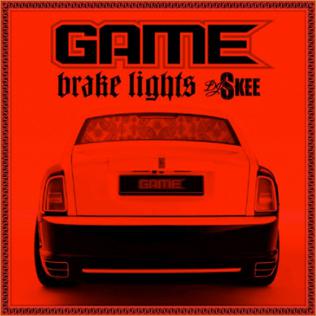
The Game - Brake Lights (Mixtape)
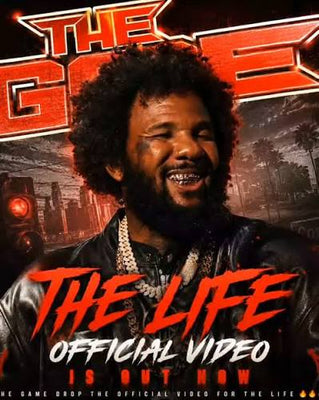
The Game - The Life (Official Music Video)
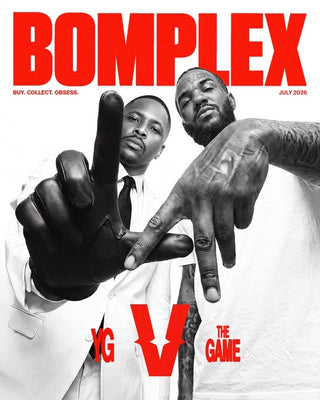
The Game vs YG VERZUZ: The Biggest Moments From the Compton Showdown

