


One Piece’s Age of Legends: Emperors, Rivals and Mentors Explained
Posted by INDEPENDENT LABEL
The New World is ruled by reputation as much as raw strength. Right now, the names that dominate every conversation are the Four Emperors: Monkey D. Luffy, Blackbeard, Shanks and Buggy. Around them, rivals circle, old ideals clash with new myths, and the question of who truly holds power on the seas remains open.
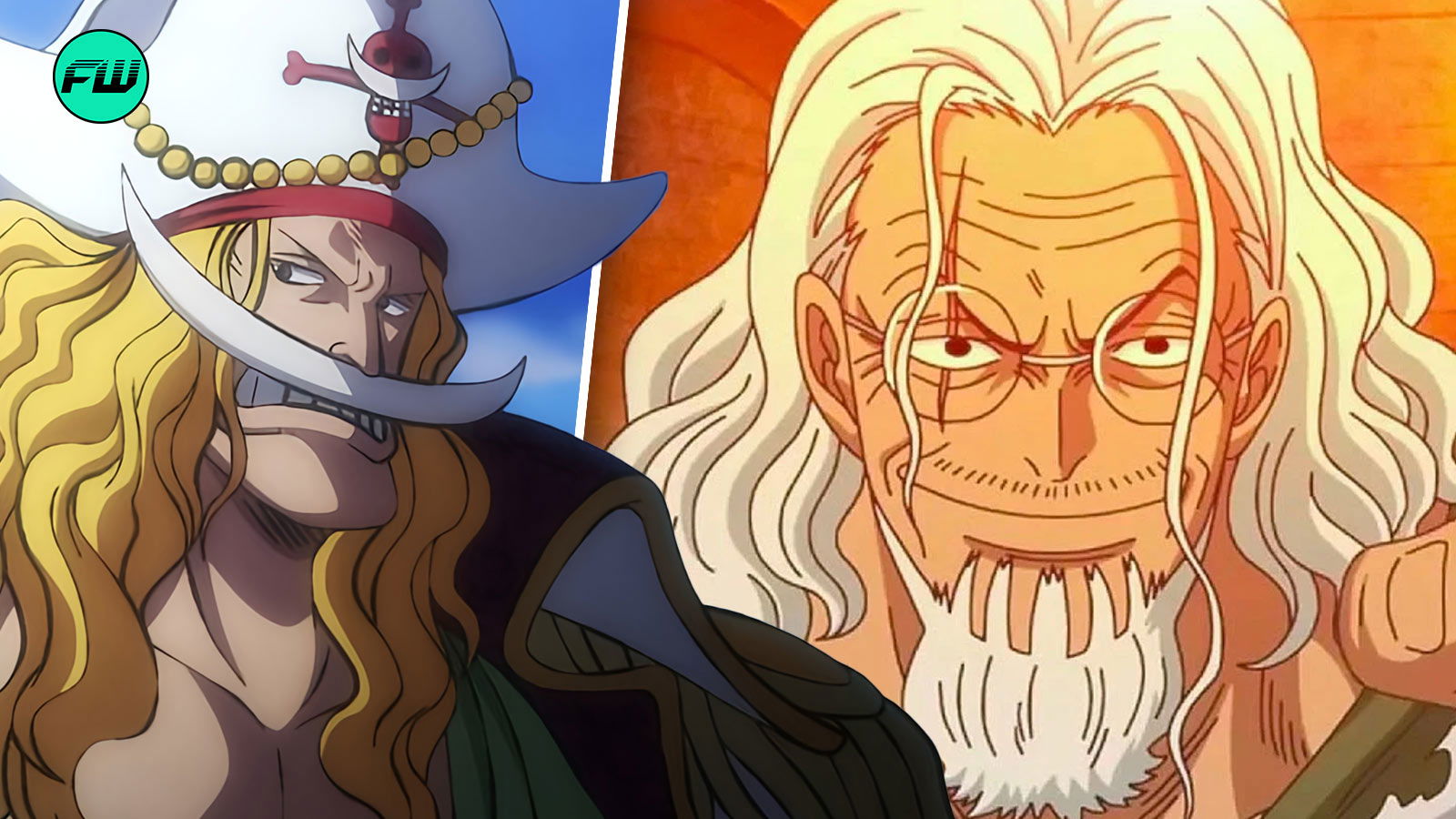
The Yonko, the map and the balance
The Four Emperors are four pirate captains who command separate empires of islands in the New World. Their crews, territories and influence are so vast that together they formed one pillar of what the series once called the Three Great Powers, alongside the Marines and the Seven Warlords of the Sea. That triangle kept a degree of world order by maintaining a carefully held stalemate. Within that system, the Emperors were effectively allowed to do as they pleased, so long as they did not interfere with the World Government and vice versa.
At the outset, the names on that list were Shanks, Whitebeard, Kaido and Big Mom. Big Mom was the first to turn a pirate flag into a true empire, with Whitebeard and Kaido following. Over time the line-up changed as rivals rose and fell. There have been seven Emperors in total, and across those changes Shanks has become the longest-ruling of the group.
The current roster is striking because of who it includes and how they got there. Luffy’s presence in that company reframes the story for his entire generation. Buggy’s name on the list underlines how influence, perception and opportunistic alliances can reshape power. Blackbeard’s ascent, meanwhile, arrived with an act that shook the seas.

Succession by shock: Whitebeard, Blackbeard and the price of a throne
Whitebeard stood as the most formidable rival to the Pirate King, and earlier in his life sailed with the notorious Rocks Pirates. He commanded not only an elite crew but a vast armada, and he built it around one principle: everyone under his flag was family.
When Whitebeard fell, Blackbeard dealt the finishing blow and then took his place among the Emperors. It was succession by force, and Blackbeard’s current standing is inseparable from that moment. In a world where territories and legends are inherited as much as won, he entered the inner circle by seizing the chance others could not.
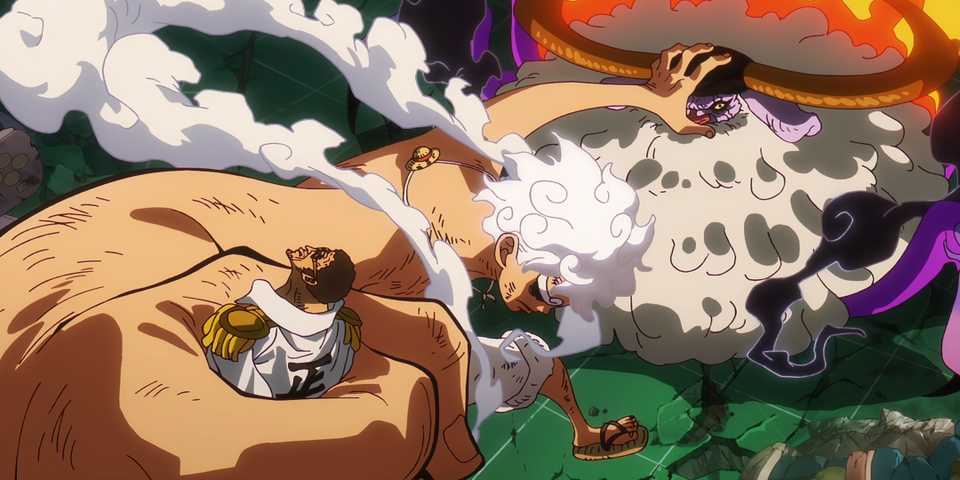
Kaido, Big Mom and the weight of conquest
Kaido and Big Mom link today’s conflicts to older grudge matches. Both were part of the Rocks Pirates, a crew whose echoes still resurface in Marine briefings and pirate tales. Their histories include repeated clashes with the Roger Pirates, which ties the current era to the last age of giants and gives today’s map a charged sense of continuity.
Kaido’s defeat mattered in practical terms because it broke a strongman’s grip on a crucial route. It mattered culturally because it signalled that the new era would not simply live in the old one’s shadow. When Luffy emerged from that fight as an Emperor, the series announced a power shift you could feel.
Luffy’s ascent and the Gear 5 myth
Luffy became an Emperor after triumphing over Kaido. That change is the clearest marker of how the series has moved from promise to payoff. What began as a story about a scrappy upstart crashing into established powers has reached the point where the upstart is a pillar of the system. The tension sits in the premise: how do you remain an avatar of freedom when you have become one of the four anchors of the seas?
Part of the answer sits in how fans talk about Luffy’s latest transformation. Gear 5 has taken on a mythic quality in the wider conversation, associated with ideas of liberation and irrepressible energy. Without getting lost in minutiae, that surrounding mythology lifts Luffy from gifted captain to figure of legend in the making. In a series where titles often stiffen into hierarchy, that burst of mischief reads as a challenge to the very idea of fixed order.
Rivals who define the era: Trafalgar Law and Eustass Kid
Among the Worst Generation, Trafalgar Law and Eustass Kid stand out as Luffy’s clearest rivals. They are near-peers who force the comparison every time they move. Each carries a different version of the pirate ideal: Law with the strategist’s cool, Kid with a battering-ram approach. Their presence prevents any single narrative about the era from settling. When a new age is declared to belong to one man, it is often Law or Kid who turn up to dispute the headline.
The point of the Worst Generation was never only to produce a new Pirate King but to flood the board with dangerous pieces. Luffy’s coronation as an Emperor is therefore not just an individual win, it is a rising-tide effect for his cohort. The fact that his roughest contemporaries are still in play keeps the story honest.
Shanks, skill and the power you cannot see
All of the Emperors use Haki in some form, but Shanks is the only one known to have reached that summit without a Devil Fruit. In a world bursting with supernatural shortcuts, he represents the argument for mastery and timing. Combine that with his seniority as the longest-ruling Emperor, and he becomes a yardstick against which others are measured.
Buggy’s punchline that landed
Buggy’s inclusion among the Emperors is one of those One Piece twists that also reads as commentary. Influence in this series is not simply a battle of fists and beams. Reputation, fear, myth and opportunism alter the hierarchy as strongly as a show of force. If the current Four includes a captain whose standing owes as much to perception as to conquest, it is because the seas are governed by stories as much as by cannon.

Mentors and mastery, Marines and pirates
Power in One Piece is never just who can punch hardest. It is who taught you to punch, why you punch, and what you refuse to punch for. Figures like Garp and Rayleigh embody that idea for the younger generation. Their standing reinforces the truth that mastery is a culture as much as a technique.
Set that against the institutional weight of the Marines, who once balanced the Emperors and the Warlords as the Three Great Powers. The argument between a life under law and a life chasing freedom has always been a deeper pulse of the series. When an Emperor takes new territory or a Marine task force redraws a sea route, the lines are not only strategic. They are ideological.
How long-form storytelling cashes in its chips
One Piece builds patiently. The Emperors are not a single twist, but a pressure that accumulates across arcs, flashbacks and shifting allegiances. That is why the current map feels earned rather than engineered. Big Mom’s early empire, Whitebeard’s banner of family, Kaido’s route of brute force, Shanks’ steady authority, Blackbeard’s lunge for a vacant throne and Luffy’s breakthrough all read as chapters of one argument about what power is and who deserves to hold it.
The series thrives on setups that take years to pay off. When the Rocks Pirates are mentioned in passing and later return as a hinge in the present, it is not trivia. It is how the story collapses distance between generations so that each new clash feels like the continuation of an old conversation.
Freedom, justice and the pirate ideal
The Emperors embody different answers to the same question. Whitebeard’s use of the word family turned conquest into community. Kaido framed power as domination. Shanks presents control without spectacle. Blackbeard, by taking what others left unguarded, represents a colder pragmatism. Luffy’s rise adds another axis: the idea that laughter, friends and the refusal to yield can be a philosophy of freedom. None of these positions are neutral. Each draws followers, makes enemies and reshapes the seas they sail.
Why this era grips audiences
As anime and manga travel across generations, what lasts are worlds that reward long attention. One Piece has that in abundance. The Yonko system is an easy headline, but it is the accumulated meaning behind each title that pulls people in. A map that once felt immovable now looks elastic. Veterans still hold sway, yet a new Emperor sits at the table. Rivals from the Worst Generation keep the edges sharp. Myth swirls around a transformation fans call Gear 5. The conversation about who matters and why shifts with every chapter, and that volatility is entertainment.
Where this leaves the seas now
With Luffy, Blackbeard, Shanks and Buggy as Emperors, the New World is a board with four very different kings. All four command Haki. Only one, Shanks, stands there without a Devil Fruit. The Marines remain a constant presence even as the old balance with the Warlords recedes into history. Between them, the likes of Law and Kid keep rewriting the risk calculations of every island in range.
For readers and viewers, this is the sweet spot. The hierarchy is clear enough to follow, yet loose enough to be upset. The rivals have names strong enough to hold their own chapters, and the mentors’ shadows still inform the fight. The result is a series that can speak to those discovering it now while still rewarding those who have charted every route to get here.
Show your flag, keep it moving
If this era has you picking sides, Independent Label has a tight selection of One Piece pieces to wear your allegiance lightly. It is less about cosplay, more about nods only fellow travellers will clock.
The age of legends continues
Power in One Piece is a living thing. It passes through hands, changes shape and dares the next generation to do better. The Emperors hold the map, but the map is moving. As long as that remains true, the voyage stays worth taking.
Shop One Piece
Explore Independent Label designs inspired by One Piece.


Prince Naseem Hamed's Greatest Ring Walks: Why Nobody Entered a Ring Like Naz
WWE’s Attitude Era: Austin, Taker, DX and the TV war that changed wrestling

Kill Bill at 20: How Tarantino spliced samurai cinema, anime and grindhouse
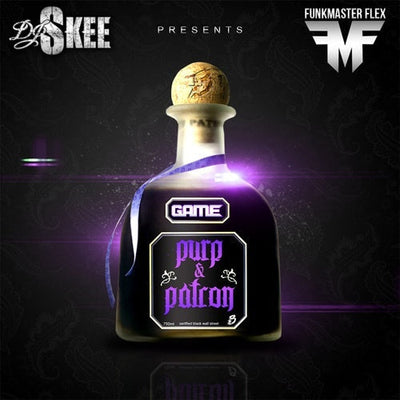
The Game - Purp & Patron (Mixtape)
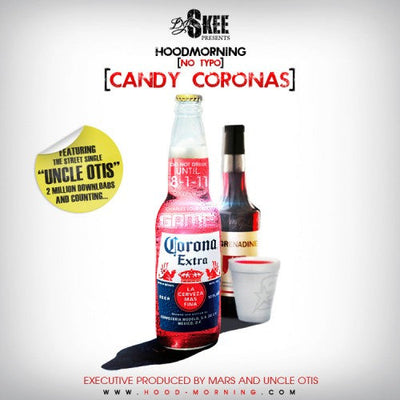
The Game - Hoodmorning (No Typo): Candy Coronas (Mixtape)
The Game - Brake Lights (Mixtape)
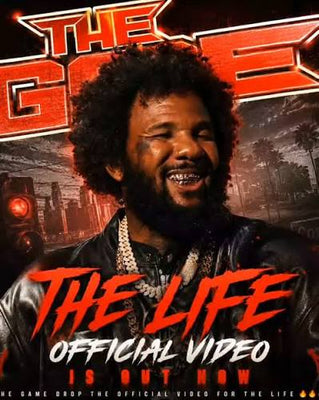
The Game - The Life (Official Music Video)

The Game vs YG VERZUZ: The Biggest Moments From the Compton Showdown

